
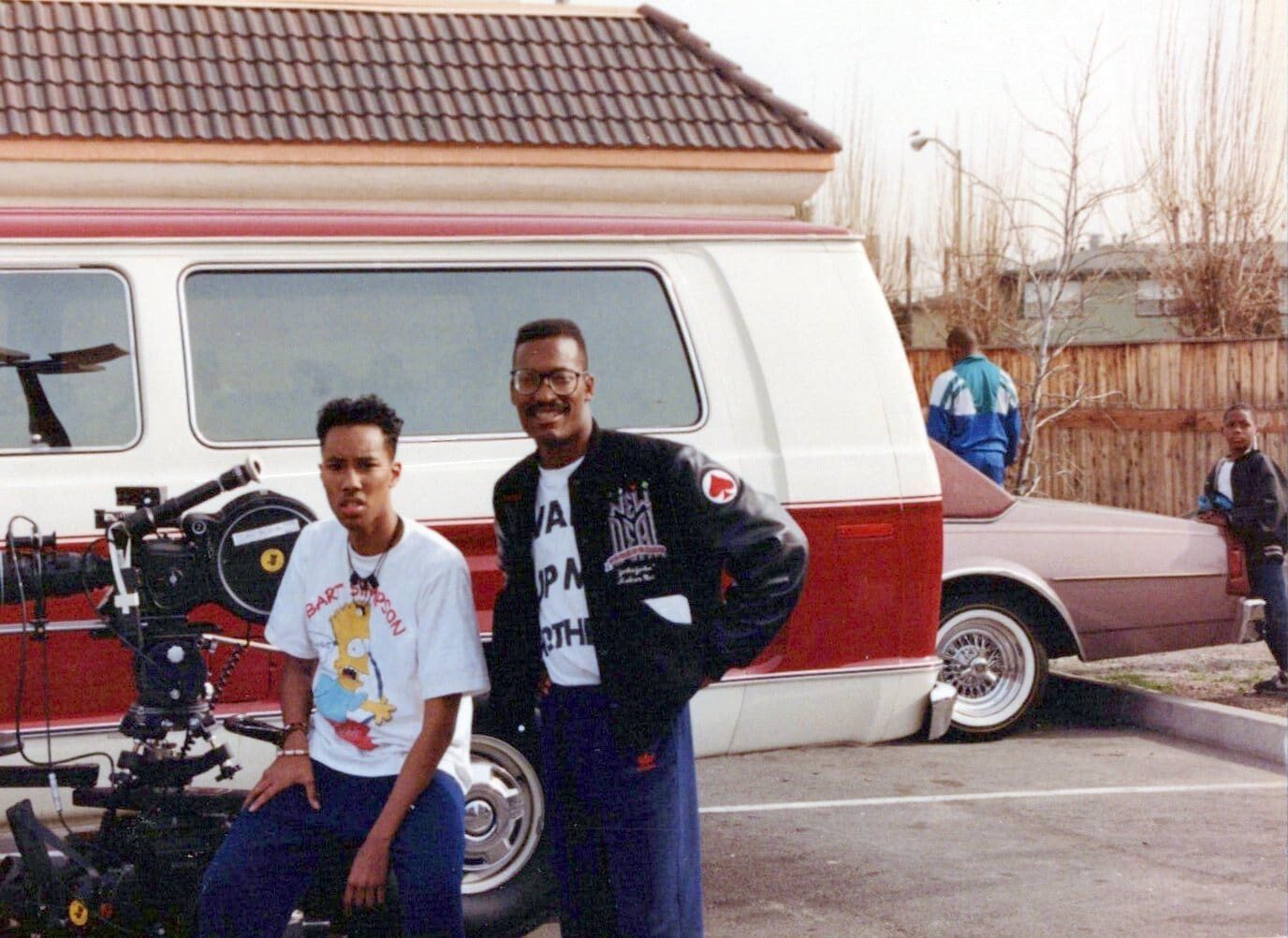
5 Ways John Singleton’s Films Changed the Portrayal of Urban Life in American Cinema
Introduction
Before 1991, American cinema often overlooked the real stories of Black neighborhoods, choosing sensational headlines over genuine experiences. With Boyz n the Hood, John Singleton shattered conventions, setting a new standard for storytelling that continues to inspire filmmakers, educators, and cultural advocates. Here are five transformative ways Singleton’s work forever changed the lens on urban life in American cinema.
Breaking Cinematic Barriers With Realistic Urban Storytelling
Singleton’s Boyz n the Hood introduced audiences to South Central Los Angeles as a living community, not just a backdrop. Through handheld cinematography, on-location shoots, and residents as extras, Singleton crafted an urban portrayal that resonated deeply. Ice Cube and Morris Chestnut were cast for authenticity, bringing genuine emotion to their roles. Dialogue, inspired by real conversations, and sets shaped with input from local barbershops ensured every detail stayed true to life.
Community-based casting emphasized authenticity over celebrity. Dialogue was rooted in real street conversations for honesty. Collaboration with locals guaranteed cultural accuracy in every scene.
By addressing overused gang clichés and proving gritty stories could succeed at the box office—Boyz n the Hood grossed $57 million—Singleton opened the door for nuanced urban narratives. For today’s filmmakers, working with community liaisons, blending professional and local talent, and consulting cultural experts from the beginning are essential steps to maintain integrity.
We offer a comprehensive Boyz n the Hood analysis, including camera setups, casting notes, and still-frame galleries—valuable resources for film studies and projects seeking to capture the Boyz n the Hood influence.
Championing Diversity and Transforming Representation in Hollywood
Singleton’s achievement as the first Black director nominated for Best Director at age 24 marked a breakthrough for representation. During the late 1980s, opportunities for Black filmmakers were rare. Following Singleton’s rise, the Directors Guild of America noted a 35 percent increase in Black directors on major sets from 1992 to 2024. His influence extended beyond directing, mentoring talents like Ruth E. Carter—who became the most-nominated Black woman in Oscar history—and inspiring films such as Fruitvale Station and Moonlight, which adopted Singleton’s nuanced storytelling approach.
Singleton’s mentorship created new pathways for diverse talent in film crews. Studios responded by establishing diversity fellowships to nurture emerging voices. His narrative style encouraged stories anchored in real communities.
Despite progress, the 2025 UCLA Diversity Report revealed only 27 percent of studio features had directors of color, highlighting ongoing challenges. Singleton’s production memos, available in the site’s digital reading room, offer lessons in negotiating for creative control—an essential skill for new directors. Setting measurable hiring goals, using blind script coverage, and partnering with HBCU film programs are practical strategies for building inclusive teams.
Elevating Social Commentary Through Visual Storytelling
Singleton approached film as a platform to address systemic issues, balancing activism with entertainment in works such as Higher Learning, Poetic Justice, and Baby Boy. These films explored gang violence, racism, generational tensions, and identity struggles with a depth uncommon in mainstream cinema. Higher Learning layered themes of college racism and white supremacy within a campus setting, Poetic Justice mirrored emotional journeys through symbolic highway travel, and Baby Boy’s soundtrack captured the generational pulse of South Central Los Angeles.
Singleton avoided shallow depictions, ensuring every issue was explored with nuance. Audiences responded positively to this complexity—Baby Boy earned $29 million on a $16 million budget. His work remains a blueprint for filmmakers seeking to blend advocacy with narrative power.
Our researchers can find annotated scripts and a database of key social commentary movies, organized by topics such as police brutality and economic disenfranchisement. These resources support deep dives into the lasting social impact of Singleton’s storytelling.
Humanizing Urban Characters Beyond Stereotypes
Singleton’s protagonists transcend their environments, displaying ambitions, vulnerabilities, and complex emotions. By centering multidimensional characters, he dismantled the one-dimensional “ghetto films” trope that dominated 1980s cinema. Tre Styles in Boyz n the Hood, Justice in Poetic Justice, and Jody in Baby Boy each undertake layered journeys—navigating family, grief, and responsibility.
Authentic character development required research, empathy, and time. Singleton’s approach encouraged filmmakers to conduct oral-history interviews, map internal conflicts, and reveal vulnerability early to heighten audience investment. His work provided a template for creating cinematic representation that resonates.
Educators and students benefit from our high-resolution character stills, wardrobe breakdowns, and director’s notes—an invaluable teaching kit for understanding African American cinema and the nuances of urban life cinema.
Craftwork That Sets Our Archive Apart
The archive at John Singleton Legacy is unmatched for those studying Singleton’s impact:
What You’ll Find
20,000-plus curated images tagged by theme, location, and crew
Scene breakdown PDFs with time stamps
Cross-referenced biographical milestones
Why It Matters
Provides visual context for costume, set, and lighting studies
Enables detailed analysis of pacing and camera movement
Reveals how life events shaped creative decisions
How to Leverage It
Build accurate mood boards or classroom slide decks
Reverse-engineer shot lists for your own projects
Anchor scholarly papers in verified chronology
Selecting materials is straightforward: filter by film, topic, or production year, add to your digital cart, and receive instant download links—ideal for festival or thesis deadlines.
Inspiring a New Generation of Filmmakers and Cultural Storytellers
Singleton’s influence is evident in the work of auteurs like Ryan Coogler and Reinaldo Marcus Green. Film festivals such as LA’s Pan-African Fest have established Singleton Labs, and university syllabi nationwide include Boyz n the Hood alongside classic cinema. We support this movement with a career timeline, interview clips, a request portal for connecting with Singleton collaborators, and alerts on grants honoring cultural impact.
Explore an interactive map of Singleton filming locations for scouting inspiration. Submit abstracts to the annual Urban Narratives Symposium. Propose research partnerships and be matched with archivists quickly.
Embracing Singleton’s legacy is about more than honoring history—it offers a strategic advantage as technology democratizes filmmaking and diversity in film becomes increasingly vital.
Legacy Illuminated: Continuing the Conversation on Urban Cinema
John Singleton redefined American cinema portrayal by bringing authentic South Central stories to the forefront, championing inclusive crews, merging activism with entertainment, humanizing urban protagonists, and inspiring new storytellers. Each aspect of his legacy is documented and accessible on John Singleton Legacy. By utilizing these resources, filmmakers and scholars can further the movement for authenticity, diversity, and social relevance. Explore, download, and let Singleton’s torch guide your creative journey.
Continuing Singleton’s Legacy
John Singleton’s films permanently altered the landscape of urban life cinema, elevating American cinema portrayal and inspiring generations to come. His archive at John Singleton Legacy empowers you to push boundaries in storytelling, representation, and impact. Continue your exploration and deepen your understanding by visiting our blog.
References
The Cinematic Legacy of John Singleton: A Trailblazer in Black Storytelling
The Cinematic Legacy of John Singleton: A Journey Through His Films and Shows
Through film, John Singleton preserved the reality and beauty of black American life
The Legacy of John Singleton
Film Review: The Legacy of John Singleton
‘Sinners’ Shatters Oscar Records With 16 Nominations, Costume Desinger Ruth E. Carter Makes History As Most Nominated Black Woman
John Singleton’s work influenced generation, urban style
Urban Cinema in 2025: A New Wave of Stories
Future of Filmmaking: Trends for 2026 and Beyond
Filmmakers Rising: Trends for 2025 & Beyond
Video Production Trends from 2025 and What to Expect in 2026